Bali Birding
A Land-Based Exploration of Nusa Penida’s Habitats and the Wildlife That Can Emerge From Within Them
Our bird-watching program is more than just about birds; this guide provides an in-depth exploration of the scenic locations across Nusa Penida, emphasizing the intersection of landscape, habitat, and wildlife observation. It highlights various destinations that are not only visually appealing but also rich in ecological diversity. These locations offer visitors the opportunity to appreciate both stunning scenery and the intricate layers of ecosystems that thrive within the island’s natural environment.
1. Pasih Andus (Smoky Beach).
Located in Sakti Village on Nusa Penida’s western coastline, Pasih Andus, more commonly known as Smoky Beach, neighbors close to one of the island’s more recognized and heavily visited coastal attractions, Angel’s Billabong, while offering an alternative and quieter landscape to explore.
Reaching the area becomes part of the experience itself. The route moves away from paved roads and into increasingly open terrain where coastal vegetation, grazing land, and porous limestone landscapes (shaped by long periods of ocean erosion) overlook dramatic cliff edges surrounding Devil’s Billabong.
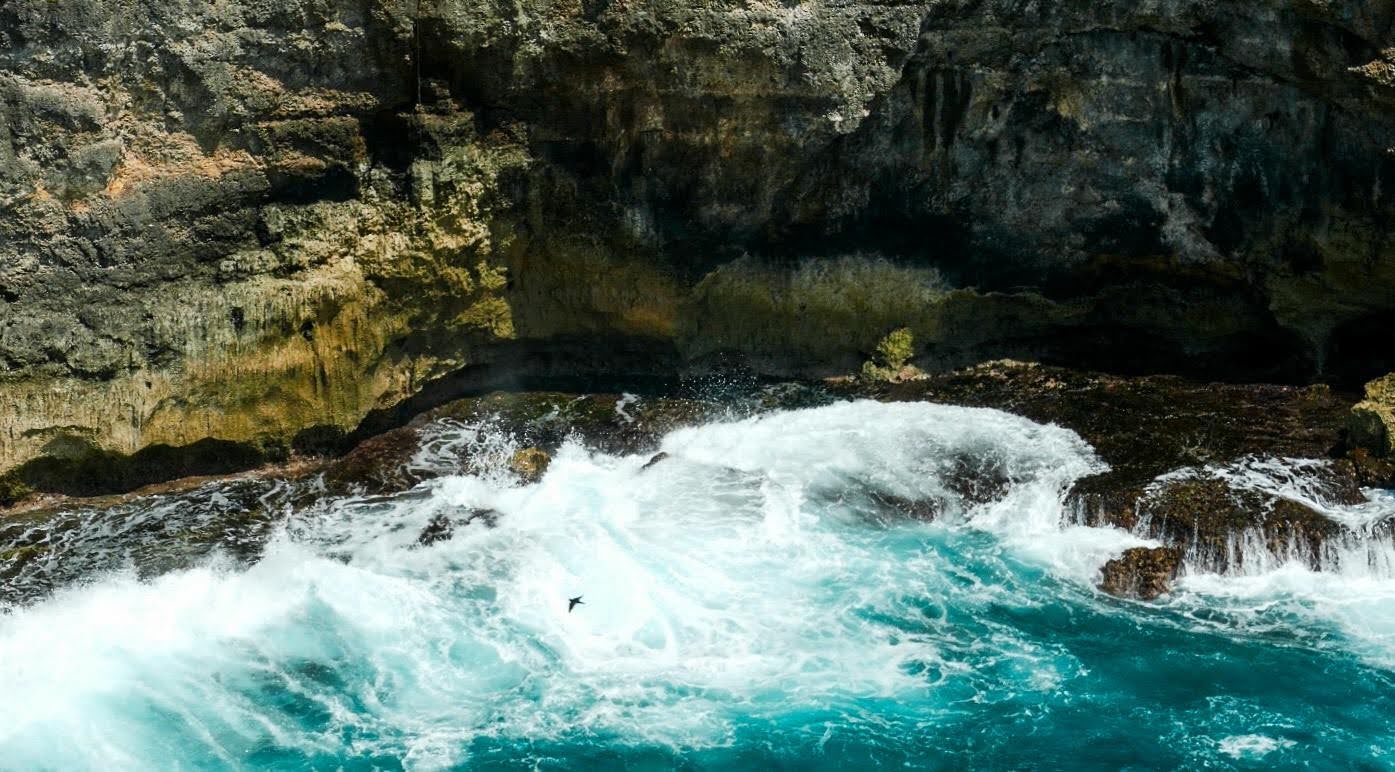
Continuing further down toward Smoky Beach, the atmosphere shifts again.
The beach earns its name due to large ocean swells that surge into jagged coastal rock formations, sending mist upward into the air in a way that resembles drifting smoke and is accompanied by a subtle fizzing sound as seawater disperses into the atmosphere.
Particularly during stronger ocean conditions, the interaction between water and rock creates a dramatic natural phenomenon that gives Pasih Andus a very distinct atmosphere from many of Nusa Penida’s better-known viewpoints.

But slowing down in these landscapes can also reveal subtle ecological details. Near surrounding open fields and grazing areas, there are observed Collared Kingfishers (Todiramphus chloris), a species well suited to these coastal agricultural landscapes.
Collared Kingfishers are highly adaptable generalist hunters. Rather than repeatedly diving into water for prey, they often use a perch-and-wait hunting strategy, scanning surrounding ground from elevated vantage points before dropping down to capture terrestrial and coastal prey.
The surrounding landscape near Smoky Beach supports many of the conditions that favor this behavior. Open grazing land improves visibility, and agricultural edges can attract insect activity. While the coastal environment creates an overlap between terrestrial and shoreline food sources.
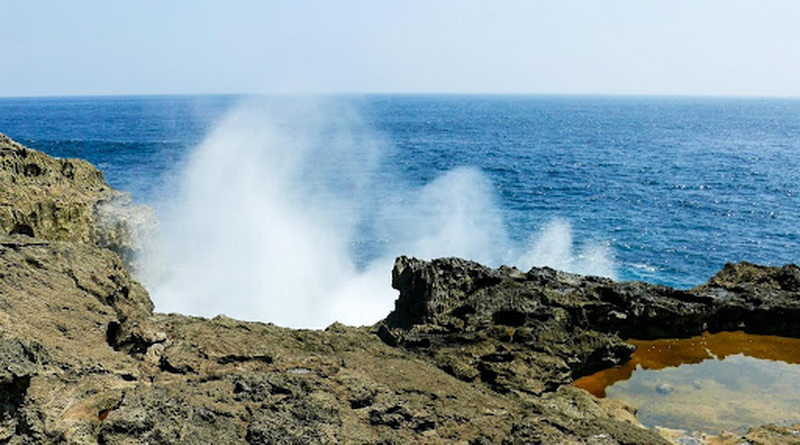
2. Angel’s Billabong.
Known as one of Nusa Penida’s most recognized coastal attractions, Angel’s Billabong draws visitors for its natural tidal pool, expansive viewpoints, and ocean scenery.
The area opens outward across multiple cliff perspectives, creating opportunities not only to experience the coastline itself but also to observe marine life moving through ocean waters below.

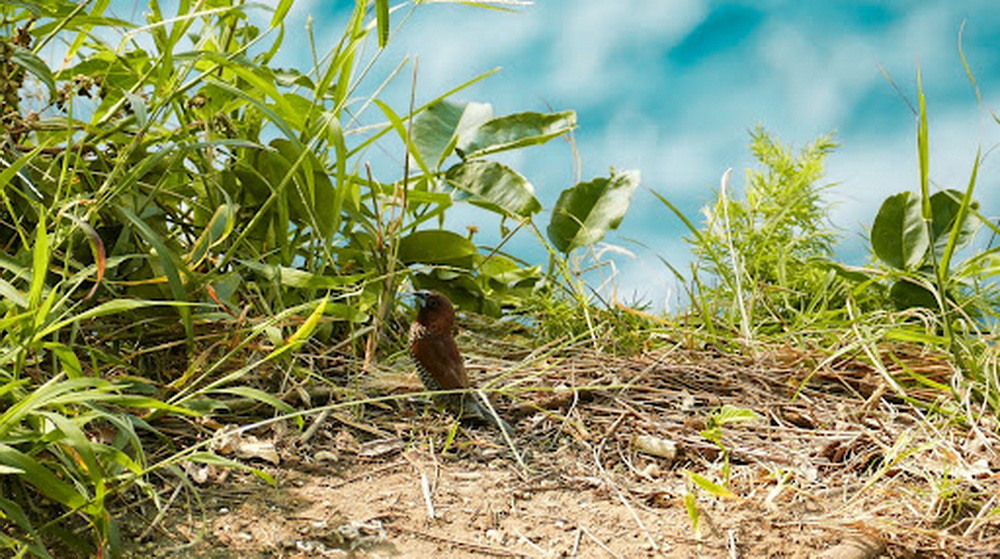
Around the surrounding vegetation and open landscape, it is common to spot a large number of scaly-breasted munias (Lonchura punctulata), one of Indonesia’s more widespread grassland and agricultural bird species.
Groups of munias can often be seen foraging close to the ground, moving through grasses, or carrying fine plant material in their beaks, a behavior commonly associated with nest building and maintenance.
Species like the scaly-breasted munia remind us that landscapes people move through as visitors are also living environments inhabited and shaped by the daily movements, behaviors, and ecological realities of other species.
Bird watching around Angel’s Billabong can be surprisingly rewarding, particularly early in the morning before the crowds arrive. Although the region is more well-known for its striking cliffs and tidal pools, a variety of seabirds and tropical species are drawn to the coastal ecosystem surrounding western Nusa Penida.
3. Dolphin Beach.
Tucked quietly between Angel’s Billabong and Devil’s Billabong, Dolphin Beach is reached via a subtle path, branching away from the main route, that gradually leads toward a smaller cliffside viewpoint overlooking open ocean, creating a space that feels noticeably more intimate than the immediate surrounding attractions.
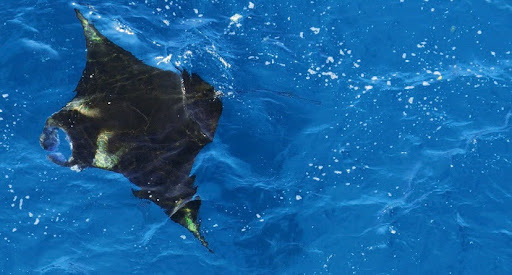
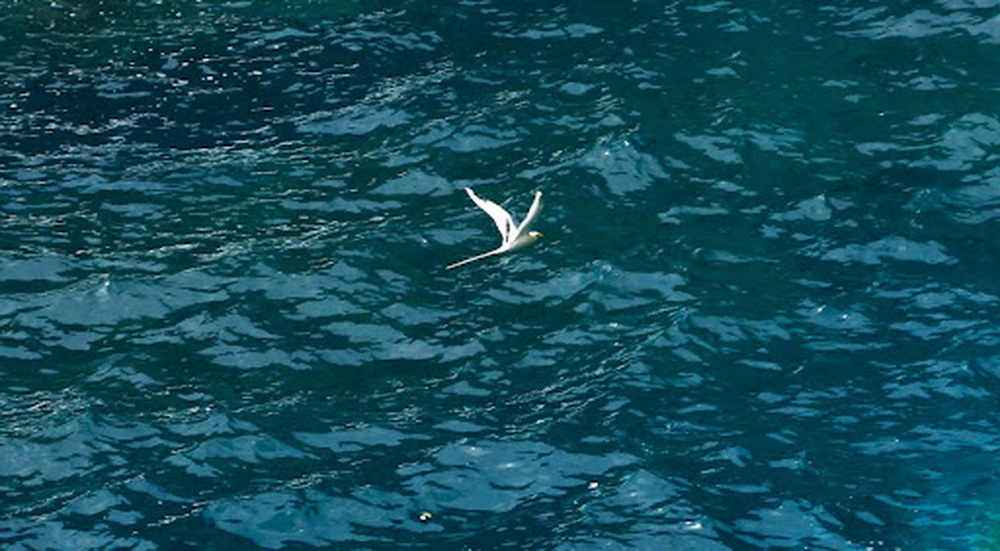
Wildlife observation here does not end within the water itself but extends above it. The White-tailed Tropicbirds (Phaethon lepturus), can also be spotted moving swiftly through surrounding coastal airspace. These elegant seabirds are often recognized by their striking white plumage and elongated tail streamers.
Strongly associated with tropical marine environments, white-tailed tropicbirds often nest within inaccessible coastal rock formations and steep cliff habitats that provide protection from predators and disturbance.
Watching them move across open ocean currents before disappearing briefly into cliff cavities reveals another dimension beyond scenery alone. Cliffs become nesting habitat, coastlines become movement corridors, and geological formations become environments species actively navigate, utilize, and depend upon.
4. Octopus Queen (Ratu Gurita).
Located near Broken Beach and Angel’s Billabong, Ratu Gurita (Octopus Queen) is a monumental bamboo sculpture created by Balinese artist I Ketut Putrayasa. The installation was created as a cultural tribute to Nusa Penida’s relationship with the sea.

The figure of the Queen herself symbolizes the mystery and power of the ocean while representing a quiet invitation toward greater harmony between human creativity and the untamed natural world.
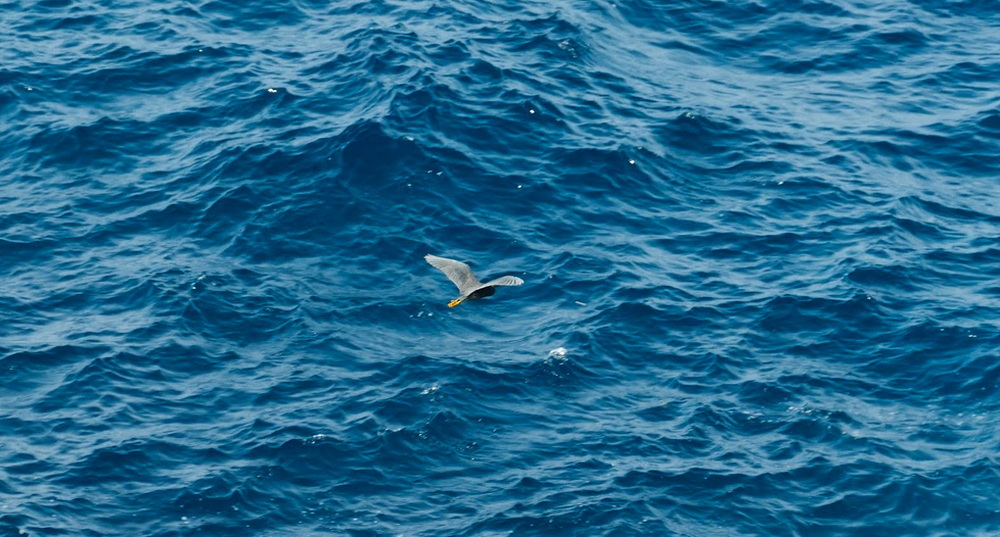
Beyond the installation itself, open coastal views also create opportunities for wildlife observation, where Pacific Reef Herons (Egretta sacra) can sometimes be observed moving through the surrounding environment.
Unlike many heron species more commonly associated with wetlands or inland waterways, Pacific Reef Herons are highly adapted to marine environments and frequently utilize rocky shorelines, reef edges, and exposed intertidal areas for foraging.
The sculpture, in conjunction with the surrounding terrain, serves as a reminder of culture, the connection between people and the water, and the relationship between people and natural systems, which do not exist independently from one another but are perpetually intertwined. It is more than just a landmark.
5. Atuh Beach.
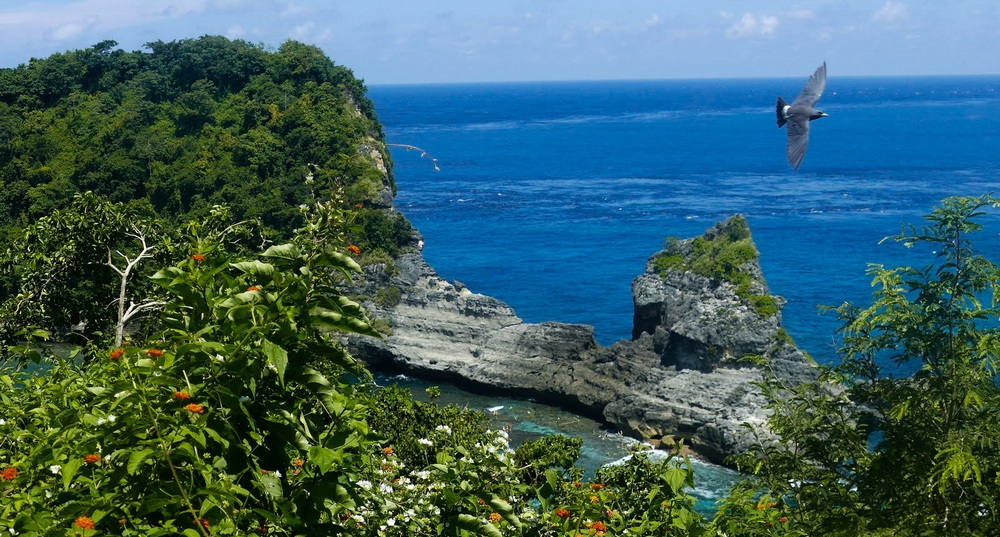
Located on Nusa Penida’s southeastern coastline parallel to the island’s well-known Diamond Beach, Atuh Beach offers another notable coastal landscape shaped by towering cliffs, golden-white sand, and expansive ocean, which stretches toward multiple offshore rock islands.
Descending toward the bay below, White-breasted Woodswallows (Artamus leucorynchus), can be observed flying through vast and exposed environments like these.
Unlike birds that spend much of their time moving through dense vegetation, these small aerial insect-hunting birds often utilize open coastal spaces and elevated perches where they can scan surrounding airspace for flying insects.
6. Tembeling Beach.
For those looking to experience a different side of Nusa Penida beyond the more established tourist areas, Tembeling Beach and Forest offers a noticeably different landscape.
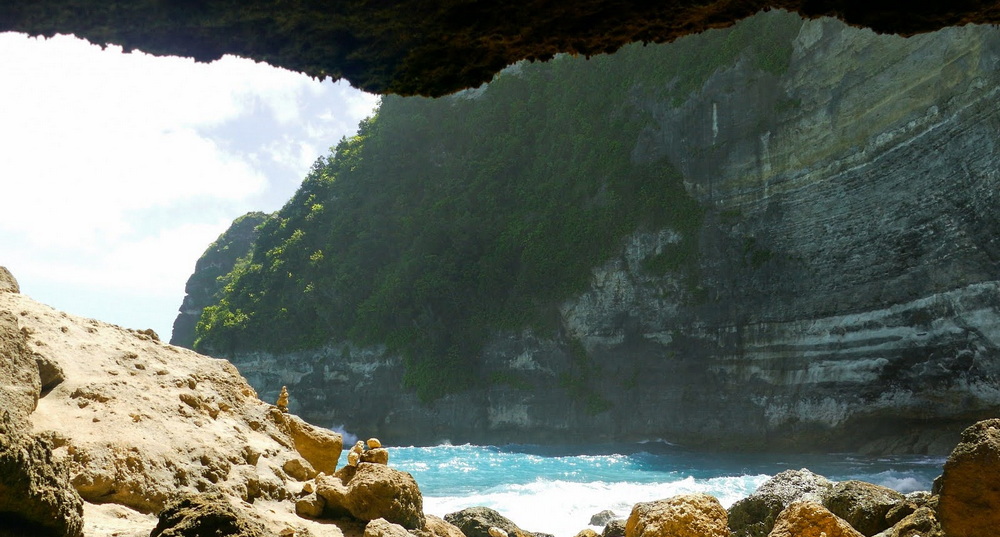
The forest path to reach the natural pools is filled with dense vegetation, layered canopy cover, and fresh water streams that flow from underground water systems and rocky crevices. Tembeling Beach and Forest host a beautiful transition point between inland tropical forests and coastal environments.

Wildlife observation within landscapes like these can also feel markedly different. The forest environment reveals itself through an immersive soundscape, with bird calls moving through canopy layers and surrounding insect activity echoing continuously throughout the forest, creating an environment for wildlife that often feels heard before it is seen.
Though often reached by motorbike, Tembeling can also be experienced as a more rewarding hiking opportunity, offering a chance to move more slowly with the surrounding forest landscape.
7. FNPF Nusa Penida Surroundings.
Friends of Nature, People and Forests (FNPF) has played a significant role within Nusa Penida’s conservation landscape over the years, particularly through habitat restoration initiatives and community-supported efforts focused on protecting endangered bird species.
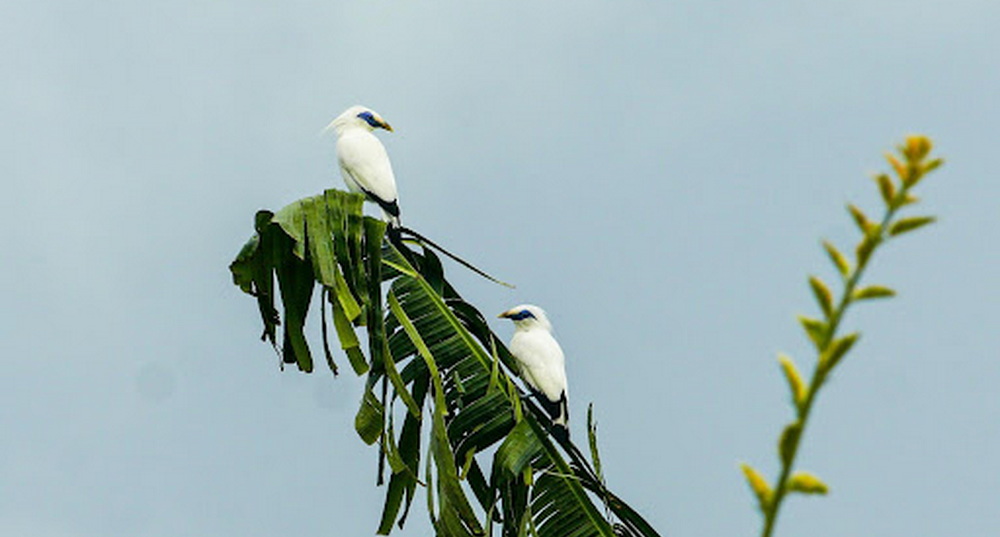
Among the organization’s most recognized contributions has been its involvement in helping establish the Nusa Penida island group as an important refuge for the critically endangered Bali Starling (Leucopsar rothschildi), locally known as Jalak Bali.
Once pushed toward severe population decline through habitat pressure and illegal wildlife trade, Bali Starlings have been part of long-term release and protection efforts across Nusa Penida in collaboration with local communities and village regulations designed to reduce poaching pressure.
The surrounding landscape near FNPF-supported conservation areas can therefore offer rewarding opportunities for wildlife observation.
During time spent exploring the area, Bali Starlings can be observed moving through surrounding vegetation alongside other birdlife, utilizing restored habitat and open landscape systems.
Exploring Nusa Penida on land creates opportunities to experience landscapes, wildlife, and the quieter ecological layers existing within them.
Wildlife sightings are never guaranteed. Birdlife can remain elusive. But landscapes function as living habitats whether wildlife reveals itself immediately or not.
The environments species utilize can often reveal just as much about them as sightings themselves.
And perhaps through an understanding of the environments wildlife depends upon and deeper immersion, wildlife has a chance to reveal itself too.
At Bali Ecotourism, this perspective forms part of how we approach exploring landscapes themselves, not only as destinations to experience but as living systems worth understanding more deeply.
Bali Bird Watching
MANAGER SEMINAR
Time management
How to improve your health
Reach Your Goals
Better finance management
Reach your objectives
Improve your relationships
Mater your business skills
BUSINESS SEMINAR
Be Your Own Boss
Define Your Objectives
Choose The Right Tools
Recognize Your Talents
Calculate Wisely
Make a Plane
Reach Your Goals
TEAM SEMINAR
The Business Master
Reach your objectives
Mater your business skills
Make a Plane
Recognize Your Talents
Better finance management
Choose The Right Tools
Learn the Secrets to Master Your Business.
NEW SEMINAR SPOTLIGHT
Business Success Management
- Rapid planning method to focus on the results
- Focus on your target and achieve your goals faster
- Successful personal manager to help you finding your gaps
- Captivating seven days coaching system 100% money back
- Comprehensive package of tools that you can use every day
- Exercises and examples for a deep understanding of the concept
- Reference cards for daily review of the concepts and life